Inspections are outsourced.
Operators and service teams depend on external crews and one-off campaigns to inspect their assets.

Rent it, your team inspects, return it, pay for the report. A certified remote pilot keeps the drone in sight and supervises every flight. The customer flies as the UAS operator under its own authorisation (PDRA-S01). Wind turbines first.
Raising a $1M pre-seed to validate customer-operated inspections, accepted reports and delivery economics.
office@smartdrones.ai · smartdrones.ai
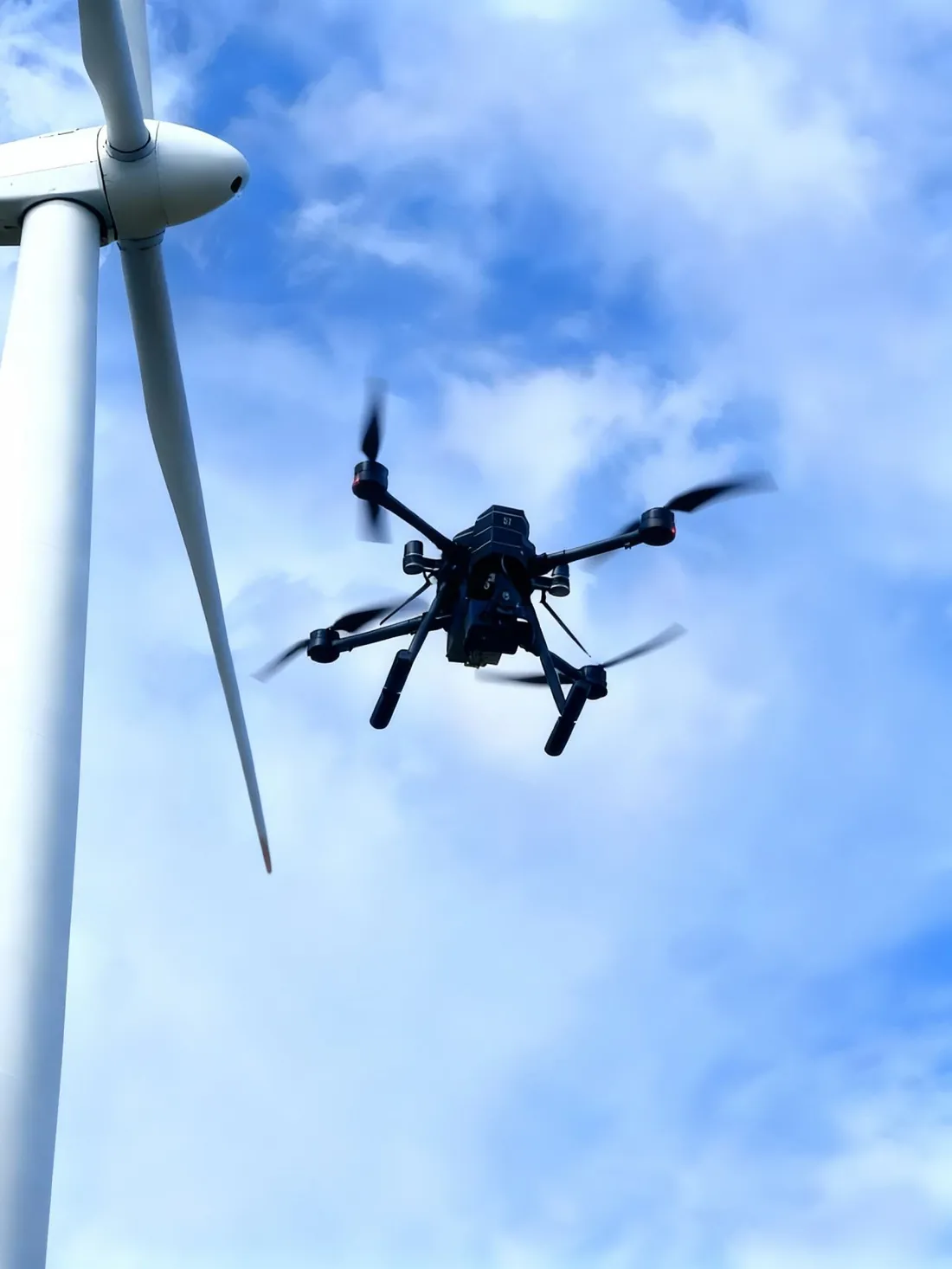
For infrastructure operators and service teams that want to run inspections in-house.
Operators and service teams depend on external crews and one-off campaigns to inspect their assets.
A complete drone system designed for customer-operated inspections, from mission execution to reviewed reports. Start an operator-supervised mission with one click.
Revenue comes from the monthly rental plus a fee for each accepted turbine report. Recurring campaigns bring repeat usage.
Monthly access to a complete drone inspection system, software and operational support.
A fee for each accepted turbine inspection report. Recurring campaigns bring repeat usage and report revenue.
Onboarding and additional integration services where agreed.
Product development, cloud applications, data processing and quality review.
Rental availability, delivery, maintenance and local support.
Prepare and supervise missions on their own assets.
Rental is normally invoiced upfront; accepted reports follow agreed payment terms. The operator prepares and supervises the operation. The one-click workflow does not replace required pilot qualifications or operating permissions.
Regional partner hubs keep systems for rent close to customers. Each new hub adds paid positions in its region.
Shared software; local equipment, support and operating readiness. Product, cloud and quality review stay central.
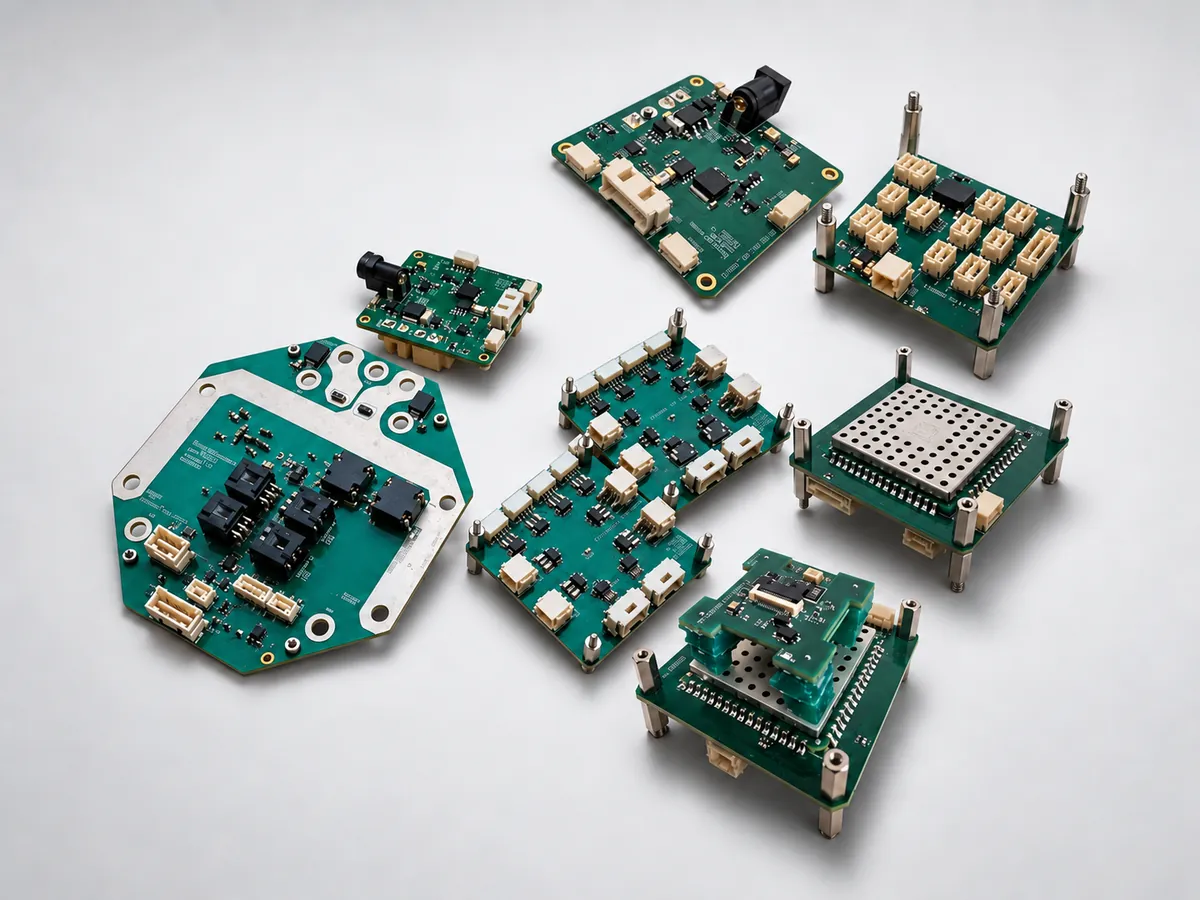
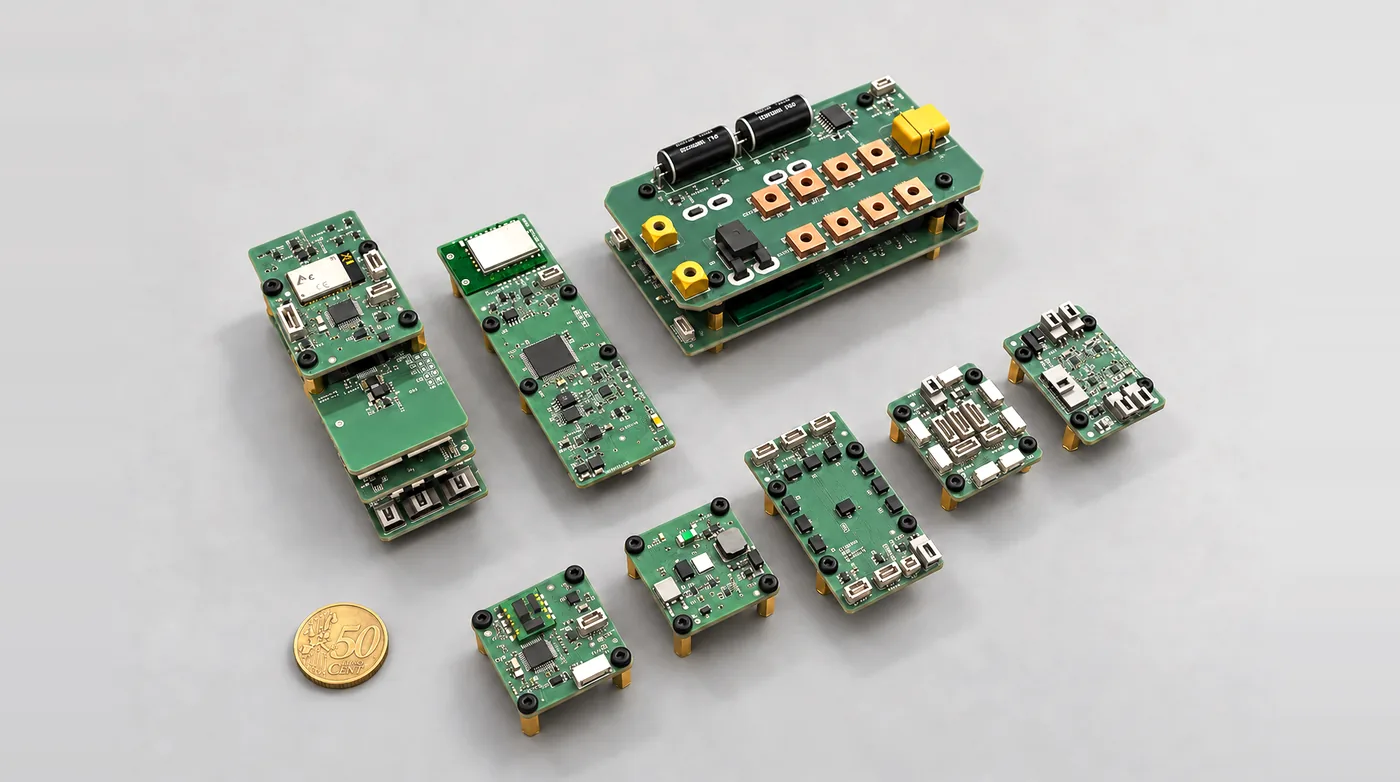
SmartDrones designs its own flight-control, navigation and mission software, onboard electronics and cloud applications.
Own PCB designs, flight-control firmware and navigation software.
Own mission software for perception and payload coordination.
Inspection workflows, reviewed reports, asset history and connected operations.
Training, quality review, maintenance and regional service.
Our core flight-control and autonomy stack is independent of DJI platforms. We integrate selected third-party sensors, compute and payloads.
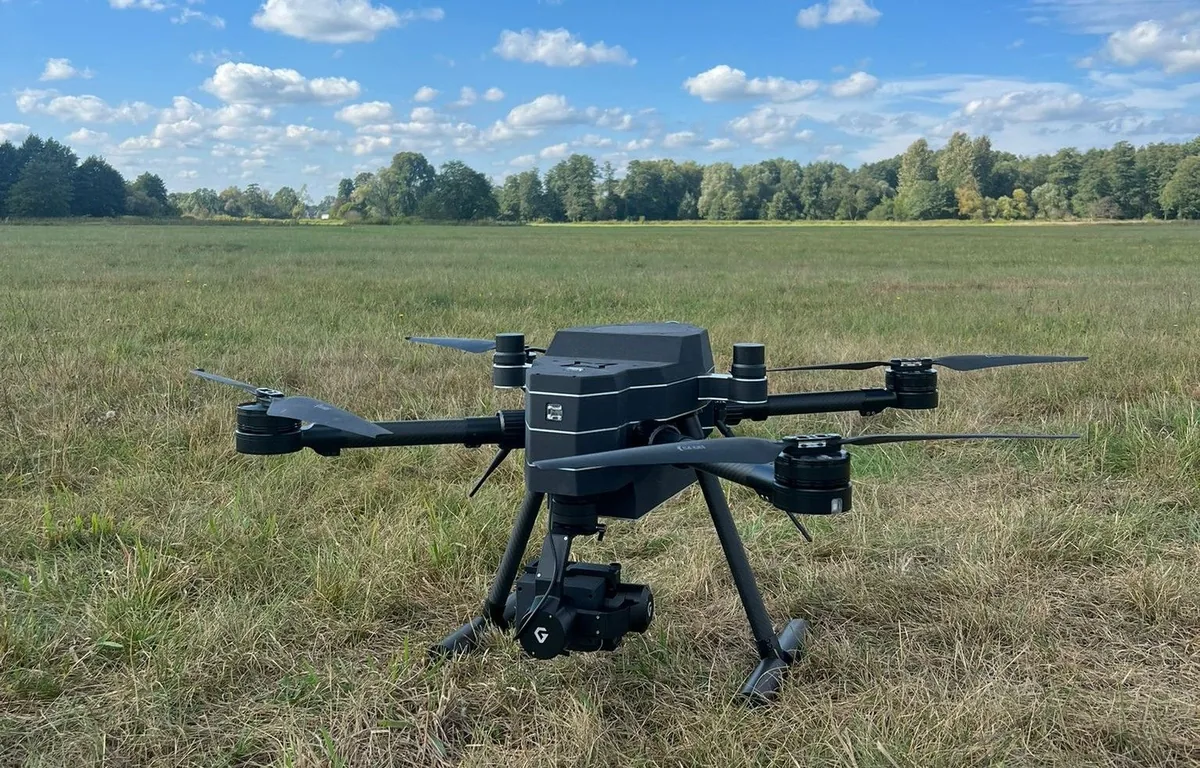
Onboard core: flight control, navigation and mission software.
aisCloud: inspection data, report review and asset history.
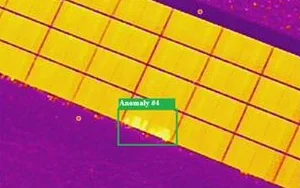 Demo data
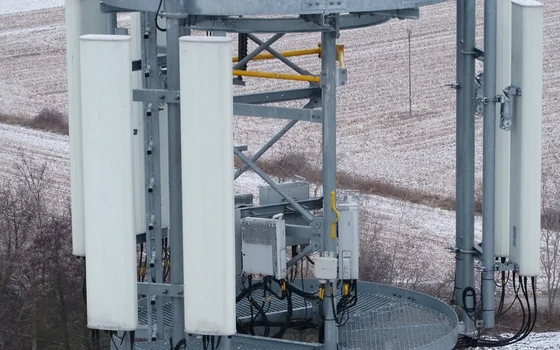 Demo data
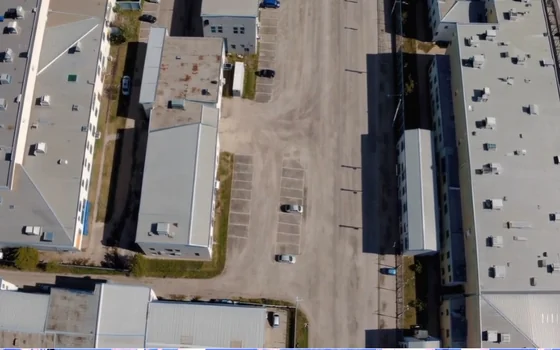 Demo data
Adapt sensors, capture, analysis and reports.
Validate quality, operating cost and paid demand.
Wind first. aisBlade (wind blades): in development; the first application on the platform. aisSolar is a product of AISolar; aisTower and aisPatrol are products of AITower; all run on the SmartDrones platform (aisPilot, aisCloud) and follow application-specific validation and paid customer demand. Onboard hardware, software and OEM integration are a separate technology channel (see OEM).
Wind-turbine capture with SmartDrones crews and an inspection report accepted in prior customer work.
Repeatable missions operated by customer teams, with measured report quality and delivery cost.
AI-assisted development, human review and testing let us iterate quickly on hardware and software.
Sources: USWTDB v9.1, September 2026; GWEC Global Wind Report 2026. Installed capacity describes infrastructure scale, not inspection-market revenue. TAM: published 2025 estimates (Market Research Intellect, WiseGuy Reports). SAM applies the US (161 GW) and European (304 GW) share of 1,299 GW. SOM is a planning target, not a forecast. Wind inspection capture has been demonstrated with SmartDrones crews; repeatable customer-operated deployments are being validated through pilots.
Validate customer-operated inspections, accepted reports and delivery economics through pilots and initial paid campaigns.
Future rounds depend on milestones and demand. Revenue and margin are planning targets, not contracted sales or achieved results. Capital requirements and delivery economics remain subject to validation.
Validate customer operation and launch paid US campaigns.
Build repeatable deployments and regional partnerships.
Finance the next stage of network and OEM growth.
Expand capacity, regions and validated applications.
Reach the next level of annual revenue scale.
| Segment | Global market | Share | $M | |
|---|---|---|---|---|
| Wind inspections | $1.2–2.5B | 38% | 6.50 | |
| Solar inspections | $1.4B | 15% | 2.60 | |
| Telecom inspections | $0.9–1.4B | 12% | 2.08 | |
| Site monitoring technology (aisPatrol) | $3.2B | 18% | 3.12 | |
| Other infrastructure | – | 8% | 1.30 | |
| Civil onboard computers and integrations | $3.6–7.1B | 8% | 1.30 | |
| Total | 100% | 16.90 |
Shares are rounded. Water and ground robotics are outside this revenue plan. Each revenue item is assigned to one sector. Global market: published 2025 estimates per year (solar: Market Research Intellect; telecom: Dataintelo, Marketintelo; site monitoring: The Business Research Company; civil onboard computers: drone flight controllers, MRFR and Market.us). Scopes differ by source. Markets outside the plan: see Beyond the $16.9M plan.
After equipment depreciation, service, logistics, direct QA, processing and cloud, and direct partner delivery. Before R&D, S&M and G&A. This is a target, not EBITDA margin.
FY2031/32 = April 2031–March 2032. Revenue target is not ARR or contracted revenue. Sector weights are management planning assumptions applied to the $16.9M target. The plan depends on customer adoption, paid utilization and successful product programs.
Not in the $16.9M target. Global market per year, 2025. Each step needs its own validation, program and paid demand.
Paid add-ons in aisBlade and the next apps, incl. service planning.
Same autonomy core, ~70% reused (management estimate).
New platforms are upside, not targets.
Published 2025 estimates, global, per year. Rows should not be added up: scopes differ. Wind O&M spend is total wind service spend; service planning is a small part of it. Sources: damage prediction (predictive maintenance for wind turbines): Dataintelo; yield forecasting (renewable energy forecasting): SNS Insider; wind O&M: Global Market Insights; ground vehicles: MarketsandMarkets, Fortune Business Insights. The ~70% reuse is a management estimate, not a measured figure.
aisPilot: the modular autopilot ecosystem, inside every vehicle and station we build (aisFlight for UAVs). Integration into third-party UAVs is planned.
Real-time stabilization, actuator control and safety responses.
State estimation and integration of GNSS, inertial and other navigation inputs.
Mission logic, payload coordination and edge processing.
Interfaces to mission workflows, cloud services and reporting.
Developed through our own UAV programs. Third-party UAV integration planned



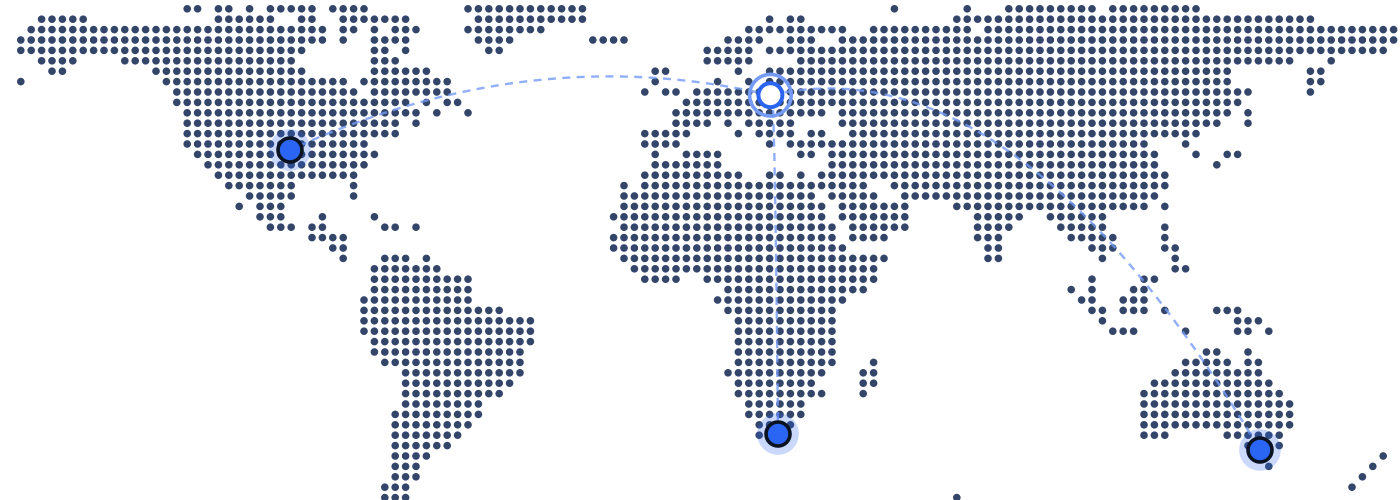
Engineering base: Lublin, Poland. Planned pilot market: USA. U.S. entity planned, subject to funding.
The pitch deck is shared on request.
Request the pitch deck Book a meeting